Namibia is located in southern Africa and borders Angola, Zambia, Botswana, South Africa, and the Atlantic Ocean. With an estimated population of around 3.0 million people in 2024, Namibia is one of the most sparsely populated countries in the world. The median age is approximately 22 years. Despite its political stability and functioning parliamentary democracy, Namibia continues to face significant socioeconomic challenges. According to the United Nations Human Development Index (HDI), the country currently ranks around 136 out of 193 countries. The country is characterized by considerable ethnic, linguistic, and religious diversity. The capital and largest city is Windhoek.
Namibia has been classified as an upper-middle-income country, yet this classification masks profound social and economic inequalities. The country is among those with the highest income inequality worldwide. Large disparities exist between urban and rural areas, as well as between different population groups, reflecting historical injustices rooted in colonialism and apartheid. Many rural communities, particularly in the northern and north-eastern regions, remain marginalized and have limited access to essential services.
The Namibian economy is strongly dependent on a small number of sectors, including mining (notably diamonds, uranium, gold, and other minerals), agriculture, and tourism. While these sectors contribute significantly to national income, they generate limited employment opportunities and leave the economy vulnerable to external shocks, fluctuating commodity prices, and climate variability. Recurrent droughts, exacerbated by climate change, pose an additional challenge for food security and rural livelihoods.
Access to healthcare remains uneven across the country. While urban centers are relatively well served, many rural and remote areas face shortages of healthcare professionals, medical equipment, and specialized services. In 2022, Namibia had approximately 5.5 doctors per 10,000 inhabitants, with substantially lower ratios in rural regions. Life expectancy has improved over recent decades and reached around 67 years in 2023, yet preventable diseases, maternal and child health challenges, and barriers to timely care persist.
These realities highlight the need for locally grounded, context-sensitive approaches that strengthen existing structures, address inequality, and support communities and professionals working to improve health and wellbeing across Namibia.
Namibia
References: BMZ - Federal Ministry for Economic Cooperation and Development
Health facts at a glance
> Population: 3.03 Milllionen (2024)
> Average life expectancy:
67.38 years (2023)
> Number of people younger than 15: 36.98% (2024)
> Number of doctors: 55 per 100,000 inhabitants (2022)
> Number of children who die before their fifth birthday: 40.7 per 1,000 live births (2023)
> Maternal mortality during pregnancy or at birth: 139 per 100,000 live births (2023)
Keetmans-hoop
Keetmanshoop is the regional capital of the Kharas Region in southern Namibia, located approximately 500 kilometres south of Windhoek. Travelling by car along the B1 national road takes around five hours and leads steadily southwards through an increasingly dry and sparsely populated landscape. Along the way, travellers pass through towns such as Rehoboth, Kalkrand, Mariental and Tses before reaching Keetmanshoop.
The town was named after the German merchant and banker Johann Keetman and today has a population of around 28.000 people. The wider catchment area includes approximately 75.000 inhabitants.
To the west, the region borders the Namib Desert with its pale sands and high dunes; to the east lies the Kalahari Desert, characteris-ed by darker red sands and framed by the Karas Mountains. Many rural communities in this region face severe socioeconomic hardship. In everyday encounters, it becomes evident how limited access to basic resources remains for many families, particularly those with young children.
The region is home to the Nama people, whose history is deeply marked by the violence and injustices inflicted during the German colonial period. These historical experiences continue to shape collective memory and present-day concerns. In conversations with community members, including Nama families, there is an ongoing sense of uncertainty about whether promised reparations will translate into tangible improvements for those most affected.
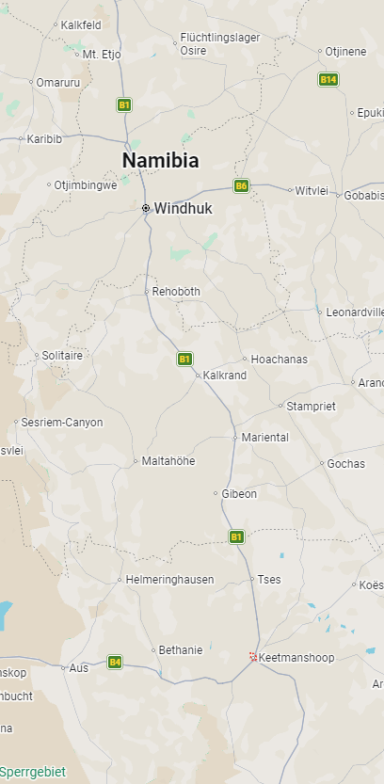
Our Projects in Keetmanshoop, Namibia
Through long-standing personal of our member, Prof. H. Netz, and professional relationships, we are currently supporting a total of three projects.
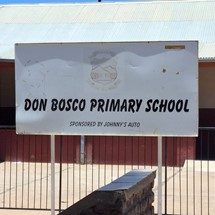
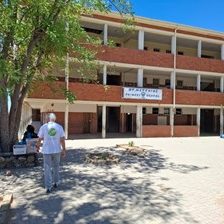
Don Bosco Primary School &
St. Matthias Primary School
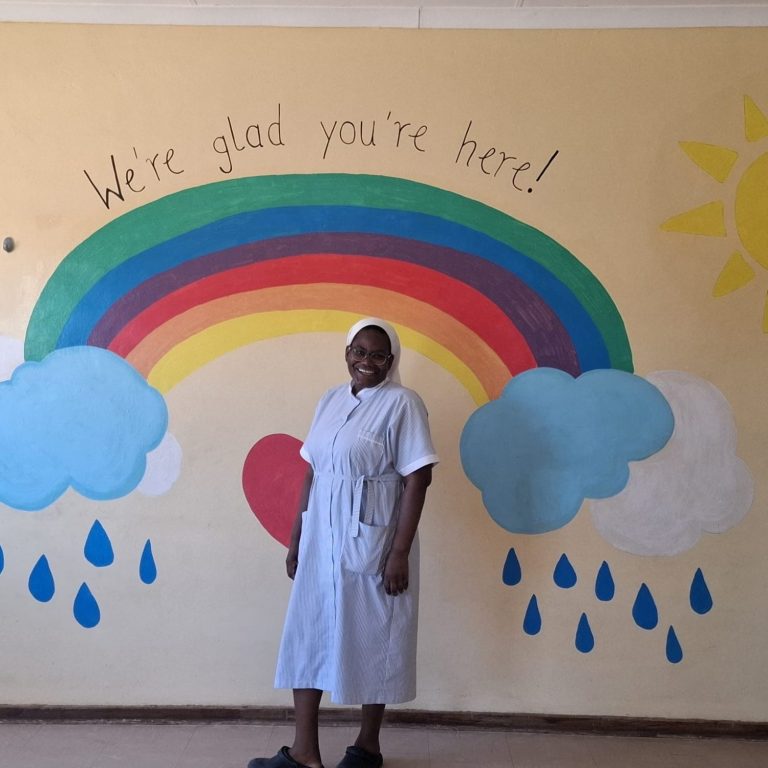
SMIC Sisters Fairyland Kindergarten Day Care Center and Pre-School
Background Story
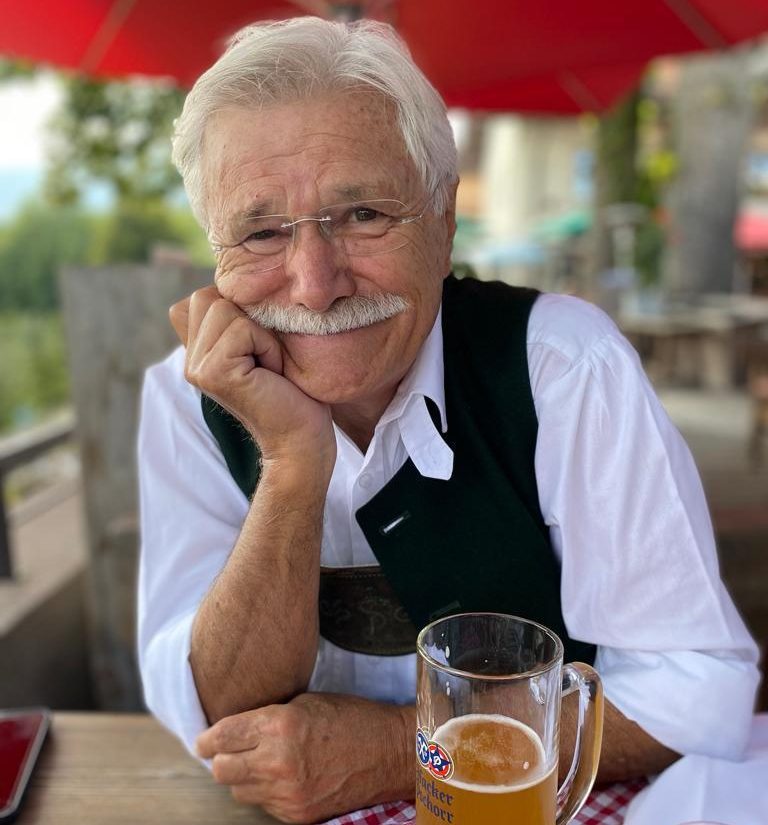
– A Personal Perspective by mates4health team member Prof. Netz
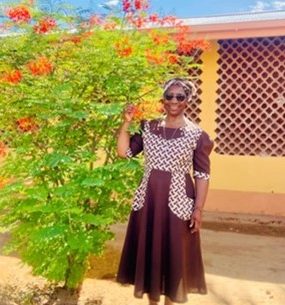
I first met Sister Ottilie Josephine Mushinga Kutenda SIFS almost 20 years ago. At that time, the aim was to bring a critically ill child from her home region in the Kavango Region to Munich for cardiac surgery due to a cyanotic congenital heart defect. Sadly, this could not be realised, as the child passed away before the planned transfer. Despite this loss, we remained in contact and eventually met in person in 2011, when I was in Namibia on behalf of the “Herz für Herz Stiftung” foundation to explore the feasibility of a program aimed at preventing rheumatic fever. This initiative was later discontinued by the donor couple.
Over the years, my wife and I learned that Sister Ottilie was supporting people living in extremely difficult conditions on the landfill site near Keetmanshoop using her own very limited personal resources. Deeply impressed by her commitment, we provided occasional financial support and donated clothing whenever possible.
More recently, we visited several mission sites together in southern Namibia. During one of these visits, we saw a kindergarten in Karasburg where the wooden floorboards were full of holes, posing a serious safety risk for the children, including the presence of scorpions. Together with a close friend and the foundation “The Life to Share”, we were able to raise the funds needed to renovate the building and improve safety for the children.
Against this background of long-standing trust and shared experiences, Sister Ottilie has now approached us with a request to support further projects in Keetmanshoop.
This story reflects the core of how mates4health works. Our projects grow out of (often long-standing) personal relationships, mutual trust, and shared experiences. We deliberately support partners who show strong local ownership, personal commitment, and a deep sense of responsibility for their communities. It is this dedication and initiative on the ground that enables sustainable change - and that guides our decisions on where and how we engage.
Be the change that you wish to see in this world.
Mahatma Gandhi